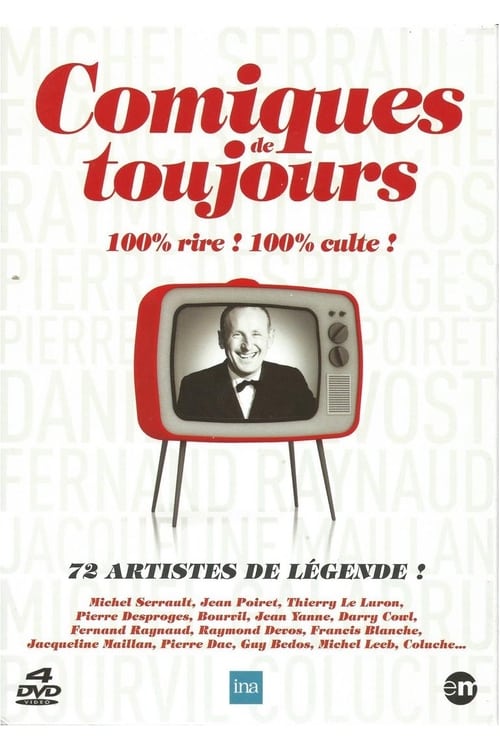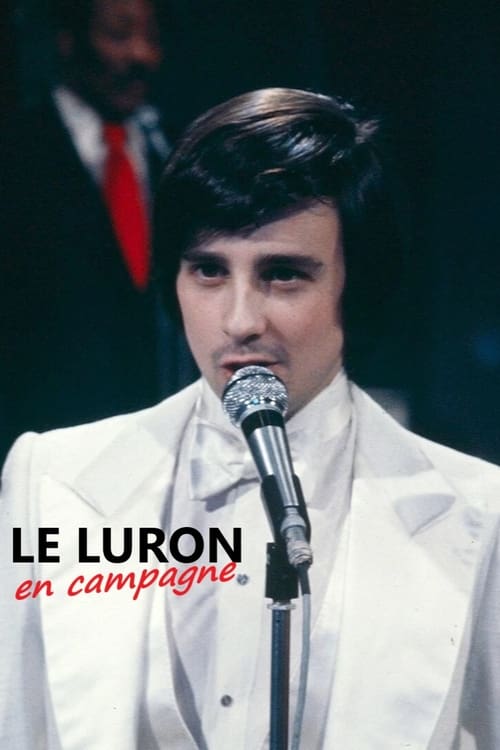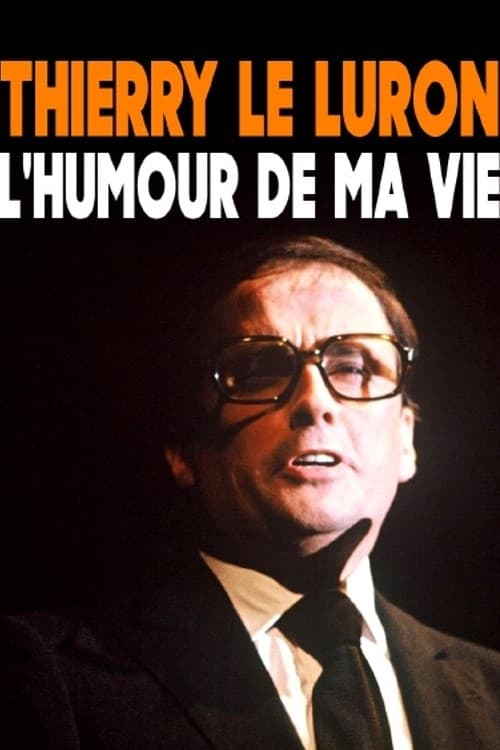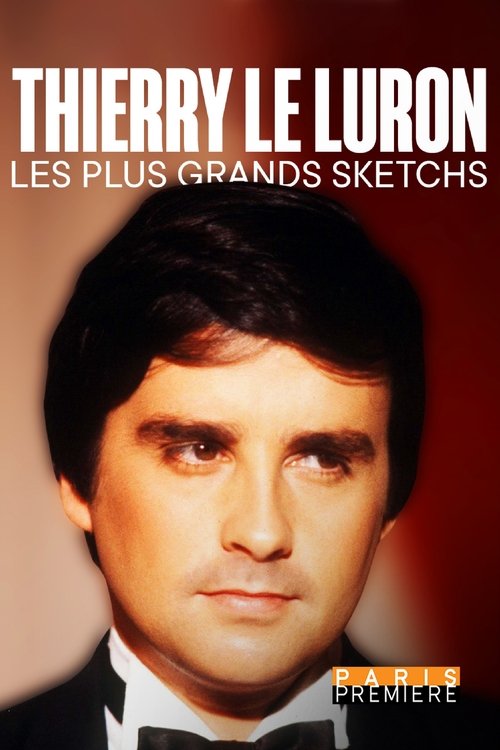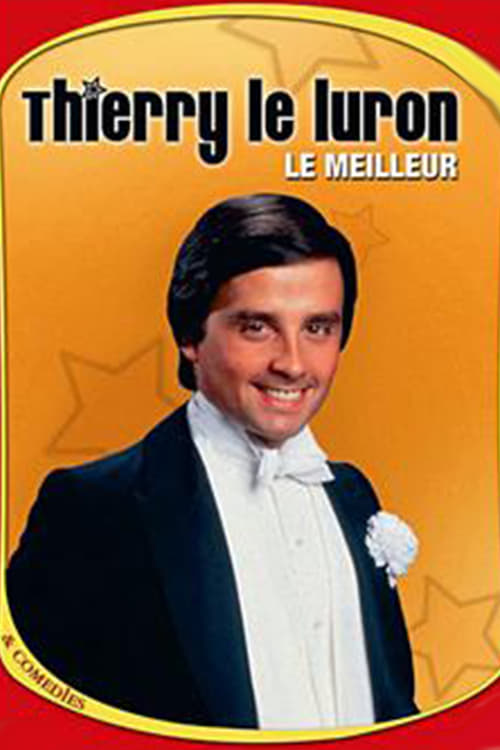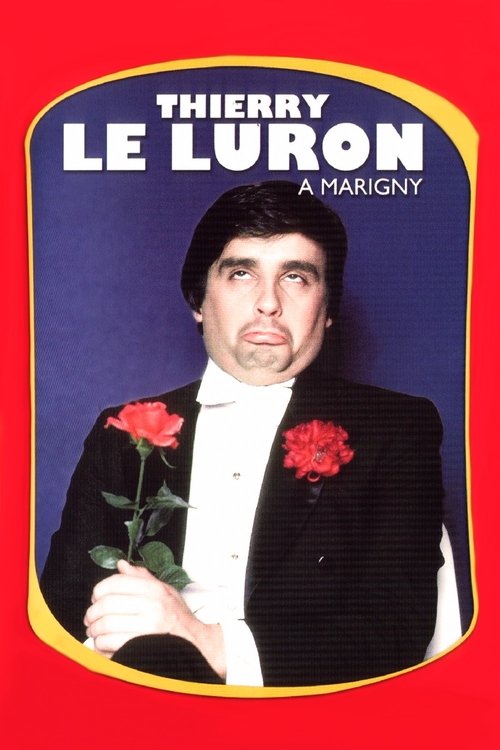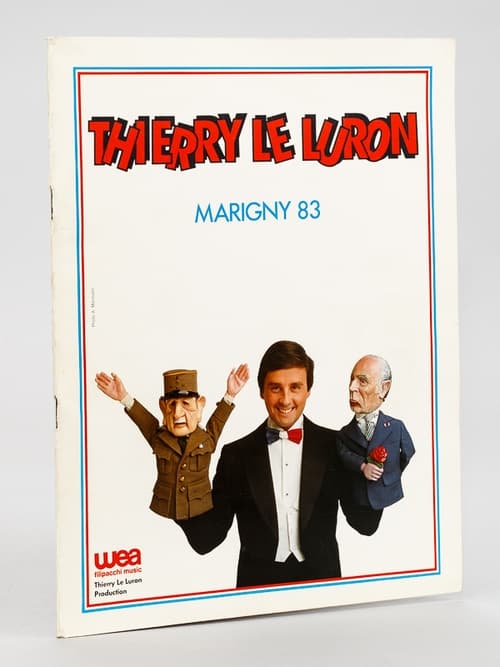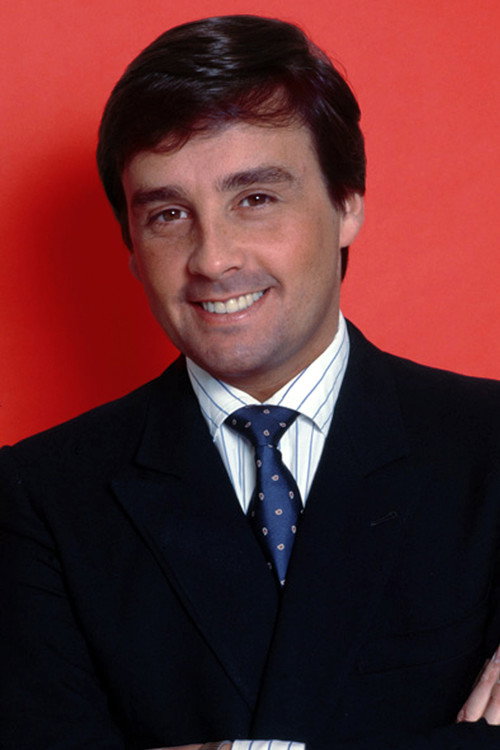
Thierry Le Luron, born April 2, 1952, in Paris and died November 13, 1986, in Boulogne-Billancourt (Hauts-de-Seine), was a French comedian, impressionist, actor, and singer particularly famous in the 1970s and 1980s for his impersonations of political and media figures. Thierry Le Luron was born in 1952 in Paris into a rather discreet family with no direct connection to the entertainment world. From a very young age, he showed a strong inclination for impersonation and the stage. An observant and sensitive child, he spent hours listening to the radio and imitating the voices of public figures, especially politicians and pop stars. His adolescence was marked by an early determination to pursue a career in entertainment, despite a family environment that was not particularly oriented towards the arts. His career truly began in the late 1960s when he won an impressionist competition. He made his first television appearances in the early 1970s, which brought him national exposure. He quickly became a key and ubiquitous figure in French television comedy, particularly in variety shows where his impersonations of political figures like Valéry Giscard d'Estaing and François Mitterrand left a lasting impression. He became one of the most influential impersonators of his time, capable of making people laugh while offering a critical perspective on current events. His intelligence, quick wit, and vocal precision made him an essential figure in the field of satire. In the 1970s and 1980s, he performed a string of successful shows, including "Thierry Le Luron at the Théâtre des Variétés" in 1975, "Le Luron Unbound" in 1977, and "Le Luron 80" at the Olympia in 1980. He distinguished himself with an incisive style, blending impersonation, political satire, and parody songs. His shows, often sold out, appealed to a wide audience, even though his acerbic criticism sometimes led to tensions with certain public figures. On September 25, 1985, in a provocative and satirical move, Thierry Le Luron staged a parody wedding ceremony with Coluche, amidst a period of intense debate on social mores and French politics. This irreverent and audacious event, widely publicized, was perceived as an ironic critique of social conventions and the political establishment. However, behind the public spectacle, his personal life was more complex. Discreet about his private life, he led an existence marked by certain vulnerabilities. In the mid-1980s, his health deteriorated. Nevertheless, he continued to perform on stage, demonstrating remarkable professionalism despite his increasing fatigue. His last major show, presented in 1986, testifies to his deep attachment to his audience and his craft. Thierry Le Luron died on November 13, 1986, in Paris, at the age of 34. His death was linked to AIDS, at a time when the disease was still poorly understood and heavily stigmatized. His passing provoked a wave of emotion throughout France, and numerous figures from the artistic and political worlds paid tribute to him, praising his courage, his talent, and his lasting influence on French humor.