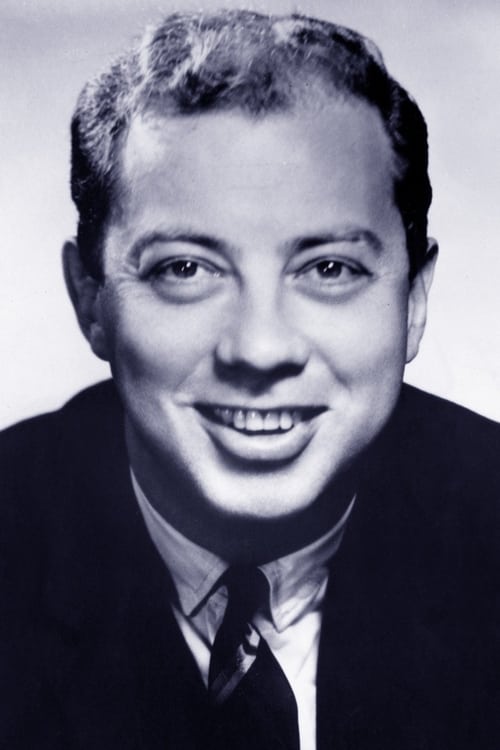
Cy Coleman (born Seymour Kaufman; June 14, 1929 – November 18, 2004) was an American composer, songwriter, and jazz pianist. Coleman was born Seymour Kaufman in New York City, to Eastern European Jewish parents, and was raised in the Bronx. His mother, Ida (née Prizent) was an apartment landlady and his father was a brickmason. He was a child prodigy who gave piano recitals at venues such as Steinway Hall, Town Hall, and Carnegie Hall between the ages of six and nine. Before beginning his fabled Broadway career, he led the Cy Coleman Trio, which made many recordings and was a much-in-demand club attraction. Despite the early classical and jazz success, Coleman decided to build a career in popular music. His first collaborator was Joseph Allen McCarthy, but his most successful early partnership, albeit a turbulent one, was with Carolyn Leigh. The pair wrote many pop hits, including "Witchcraft" and "The Best Is Yet to Come". One of his instrumentals, "Playboy's Theme," became the signature music of the regular syndicated late night TV show Playboy After Dark in the 1960s. This included specials presented by the editor/publisher Hugh M. Hefner of Playboy magazine, and remains synonymous with the Chicago magazine and its creator, Hefner. Coleman's career as a Broadway composer began when he and Leigh collaborated on Wildcat (1960), which marked the Broadway debut of movie/television comedienne Lucille Ball. The score included the hit tune "Hey, Look Me Over". When Ball became ill, she left the show, and it closed. Next for the two was Little Me, with a book by Neil Simon based on the novel of the same name by Patrick Dennis. The show introduced "Real Live Girl" and "I've Got Your Number," which became popular standards. In 1964, Coleman met Dorothy Fields at a party, and when he asked if she would like to collaborate with him, she is reported to have answered: "Thank God somebody asked." Fields was revitalized by working with the much younger Coleman, and by the contemporary nature of their first project, which was Sweet Charity, again with a book by Simon, starring Gwen Verdon, and introducing the songs "If My Friends Could See Me Now", "I'm a Brass Band", "Big Spender" and "The Rhythm of Life". The show was a major success and Coleman found working with Fields much easier than with Leigh. The partnership was to work on two more shows – an aborted project about Eleanor Roosevelt, and Seesaw which reached Broadway in 1973 after a troubled out-of-town tour. Despite mixed reviews, the show enjoyed a healthy run. The partnership was cut short by Fields' death in 1974. Coleman remained prolific in the late 1970s. He collaborated on I Love My Wife (1977) with Michael Stewart, On the Twentieth Century (1978) with Betty Comden and Adolph Green, and Home Again, Home Again with Barbara Fried, although the latter never reached Broadway. Also in 1970, he produced the single "Lying Here" (Mercury 73150) for the Rock opera Sensations, and took a full-page (back cover) advert in Billboard magazine to promote his upcoming star vocalist Steve Leeds. ... Source: Article "Cy Coleman" from Wikipedia in English, licensed under CC-BY-SA.