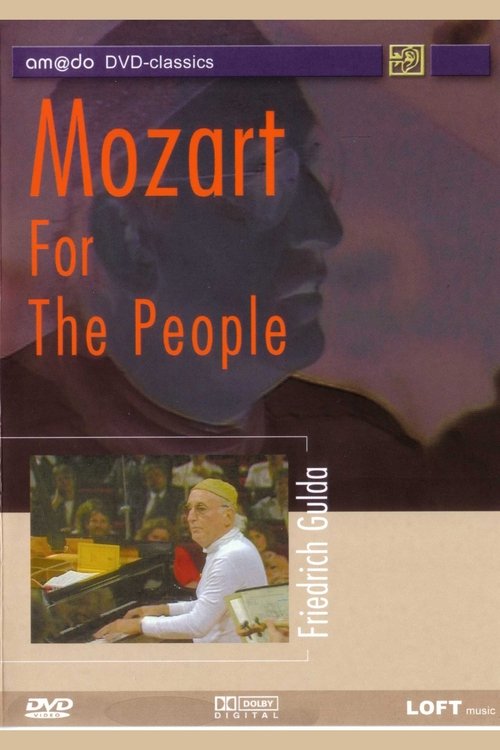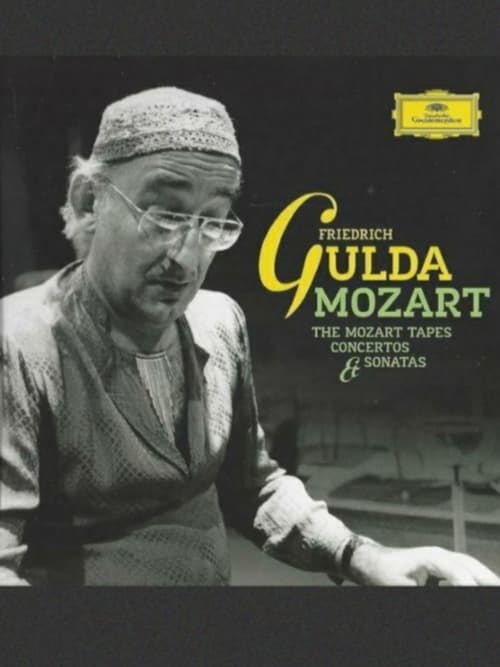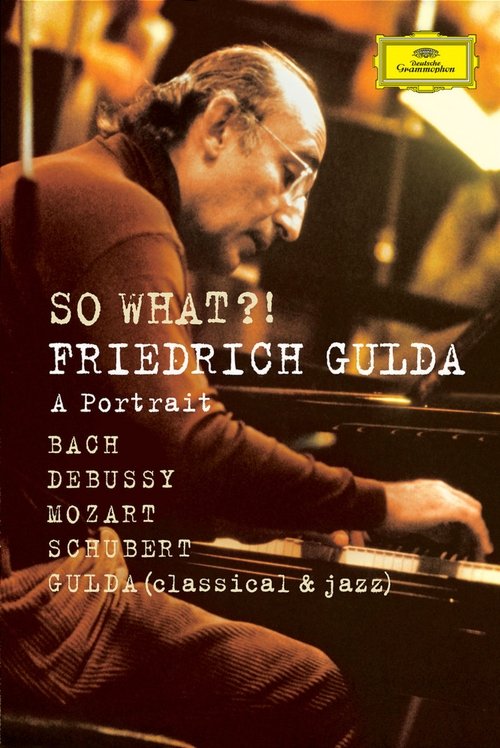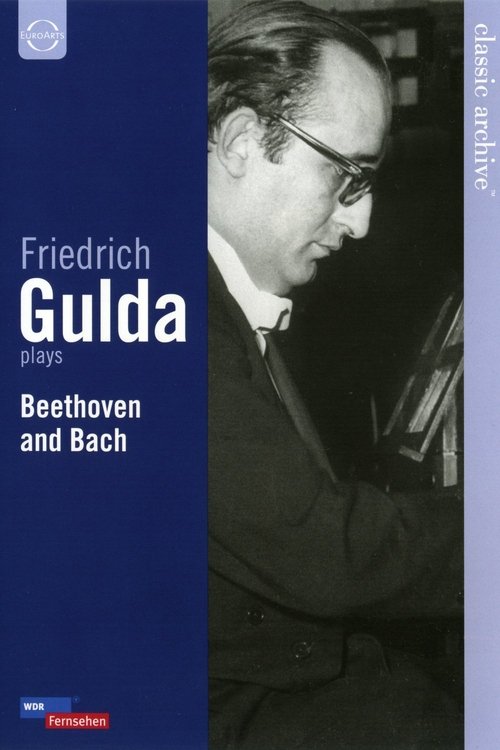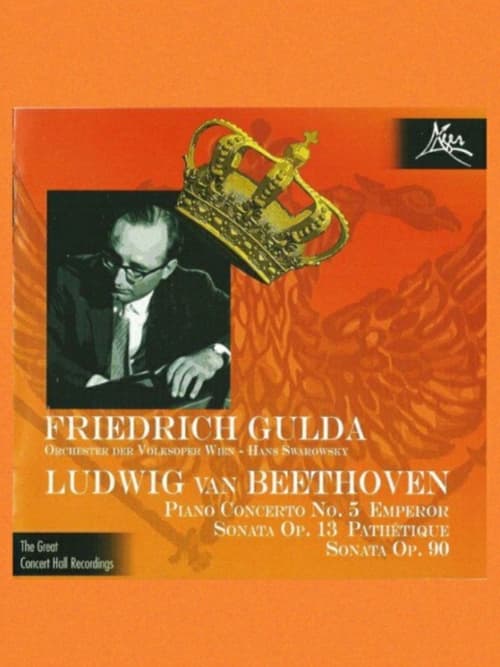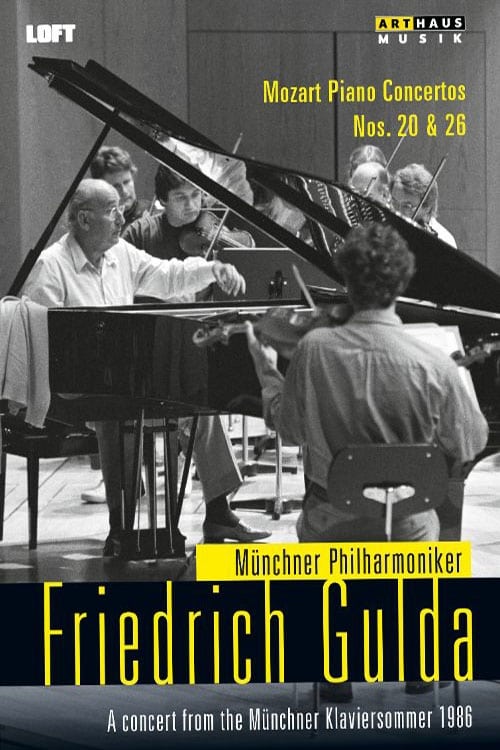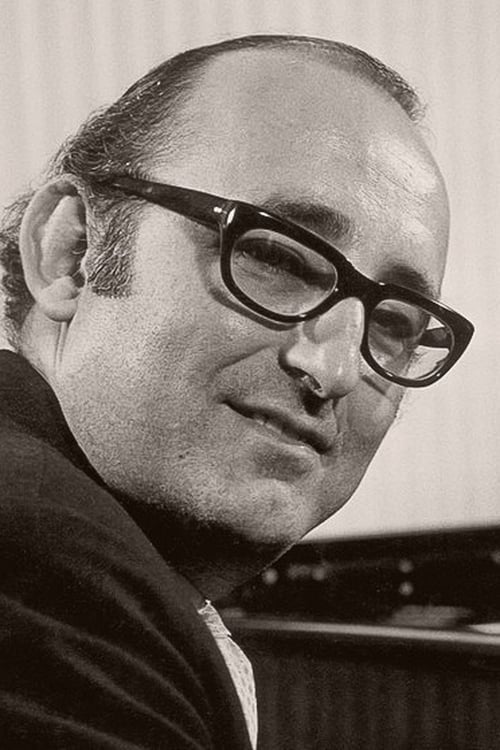
Friedrich Gulda (16 May 1930 – 27 January 2000) was an Austrian pianist and composer who worked in both the classical and jazz fields. Born in Vienna the son of a teacher, Gulda began learning to play the piano at age 7 with Felix Pazofsky at the Wiener Volkskonservatorium. In 1942, he entered the Vienna Music Academy, where he studied piano and musical theory under Bruno Seidlhofer and Joseph Marx. During World War II as teenagers, Gulda and his friend Joe Zawinul would perform forbidden music, including jazz, in violation of the government's prohibition of playing of such music. Gulda won first prize at the Geneva International Music Competition in 1946. Initially, the jury preferred the Belgian pianist Lode Backx, but when the final vote was taken, Gulda was the winner. One of the jurors, Eileen Joyce, who favoured Backx, stormed out and claimed the other jurors were unfairly influenced by Gulda's supporters. Gulda began to play concerts worldwide. He made his Carnegie Hall debut in 1950. Together with Jörg Demus and Paul Badura-Skoda, Gulda formed what became known as the "Viennese troika". Although most renowned for his Mozart and Beethoven interpretations, Gulda also performed the music of J. S. Bach (often on clavichord), Schubert, Chopin, Schumann, Debussy and Ravel. His recordings of Bach's The Well-Tempered Clavier are well regarded, but Gulda performed very few other pieces by Bach and recorded even fewer. Gulda's later reliance on co-operating with companies whose recording techniques were primitive in comparison to those espoused by more sophisticated rivals stood him in very poor stead with regard to posterity. The rescued Mozart sonata tapes issued on DG are bad in terms of recorded technical quality; likewise are the Debussy Preludes and Bach recordings of the late 1960s and early 1970s. In the late 1960s Gulda recorded the complete Beethoven sonatas. He continued to perform classical works throughout his life, composing cadenzas for two Mozart concertos, which he famously recorded with his former pupil Claudio Abbado, although he sometimes conducted from the keyboard himself. A notable feature of his Mozart recordings were his own improvisations. Phillips Records included Gulda in its Great Pianists of the 20th Century CD box set, which came out in 1999. His piano students included Martha Argerich, who called him "my most important influence," and the conductor Claudio Abbado. ... Source: Article "Friedrich Gulda" from Wikipedia in English, licensed under CC-BY-SA 3.0.